Working-class creatives are being locked out of the arts or forced to leave the sector altogether, according to a major new inquiry calling for urgent and radical action.
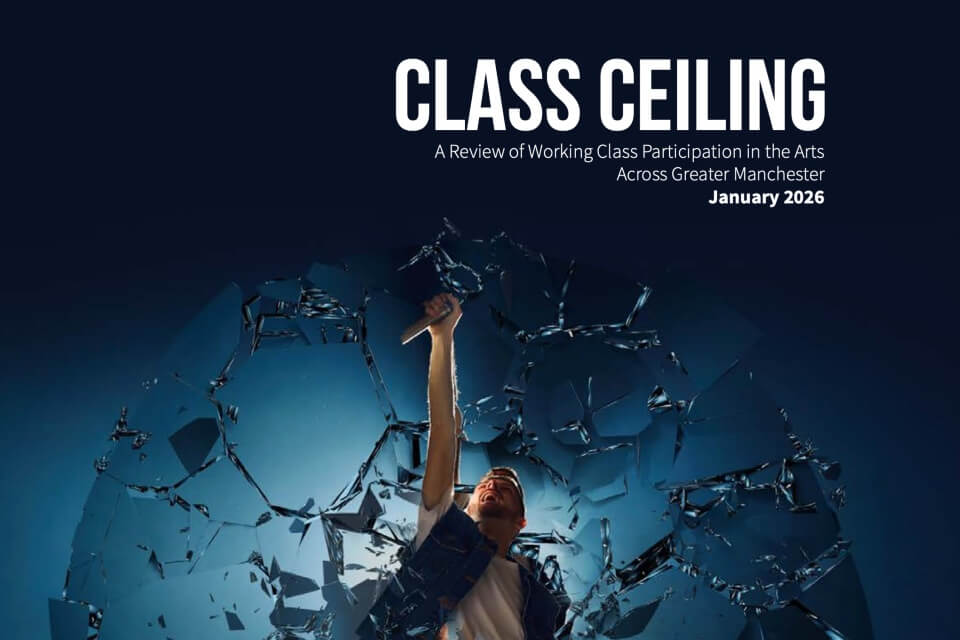
The Class Ceiling Inquiry – co-chaired by Nazir Afzal OBE, Chancellor of The University of Manchester, and Avis Gilmore, former Deputy General Secretary of one of Europe’s largest trade unions – has found that class-based discrimination, low pay, lack of connections and exploitative working practices are creating a hostile environment for people from working-class backgrounds.
Survey findings paint a stark picture. Fewer than half of creatives (44%) said they earned enough to make a living from their work, with many relying on second jobs. More than half (51%) reported experiencing bullying, harassment or bias related to their social class. Only 18% felt their lived experiences were widely represented in their art form, and just 22% knew anyone working in the arts while growing up.
The Inquiry drew on more than 150 hours of interviews with artists at all stages of their careers – from teenage musicians and mid-career arts workers to internationally recognised playwrights and BAFTA- and Emmy-winning screenwriters. While many voices expressed anger and despair, the report also identified ‘seeds of hope’ and examples of change already underway.
Nazir Afzal OBE, who is also Chair of The Lowry theatre, said the findings present an opportunity for Greater Manchester to lead the way on a national issue: “This is a chance to build a better sector where talent is discovered everywhere, nurtured properly, paid fairly and allowed to rise.”
The report makes 21 recommendations, including recognising class as a protected characteristic, appointing a regional Class Champion, expanding apprenticeships, reducing casualised labour and creating a co-ordinating body led by the Greater Manchester Combined Authority (GMCA) to align resources and share best practice.
Alongside its critique of structural failings, the Inquiry also highlights organisations and individuals working to widen participation. Co-chair Avis Gilmore said she was encouraged by the response from institutions such as the Co-op, which has committed to leading a campaign to expand creative apprenticeships.
“The fact that less than one per cent of all new apprenticeship starts nationally are in the creative sector is a scandal,” she said. “Manchester should be doing things differently.”
Claire Costello, Chief People and Inclusion Officer at Co-op, said apprenticeships can provide a vital pathway into the sector.
“Our Co-op believes everyone, whatever their background, should be able to access opportunities in the arts and creative sector across Greater Manchester,” she said.
“That’s why we’re encouraging employers to share unspent apprenticeship levy funds, aiming to raise £3 million over three years to support 200 new creative apprenticeships.”
The full Class Ceiling report is available to download here.
In the games industry, the Into Games charity helps working class and low-income talent to access a career in the games industry. Find out more about its work here.