By Liz Prince, Business Manager at Amiqus, Founder of G Into Gaming and Co-Founder of Empower-Up
HOW SALARY TRANSPARENCY COULD BRIDGE THE PAY GAP IN GAMES
By Liz Prince, Business Manager at Amiqus, Founder of G Into Gaming and Co-Founder of Empower-Up
There are surely few people around who wouldn’t want an industry where pay is fair, opportunities are equal, and talent thrives regardless of background. However, achieving this vision still remains a significant challenge.
One of the most powerful, albeit controversial, tools currently being debated to solve this is salary transparency. As the EU Pay Transparency Directive looms on the horizon, the conversation should maybe shift from ‘if’ studios should be open about pay to ‘how’ they can implement it effectively.
The Current State of Play: US and UK Realities
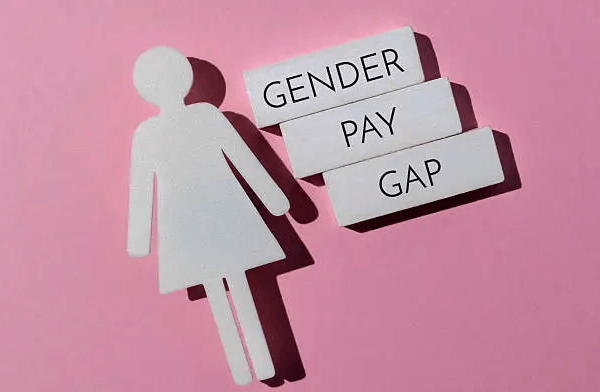
The need for reform is underscored by sobering data from both sides of the Atlantic. The 2025 GDC Salary Report revealed a persistent wage gap in the United States, with women earning 24% less than their male counterparts. Non-white workers in the US games industry also face significant disparities, earning on average 27% less than their white peers.
The picture in the UK is similarly challenging. While the gender pay gap in the wider UK workforce stood at 7.9% in 2021, the games industry trailed significantly with a gap of 17.1%. This disparity is compounded by a lack of diversity; women make up only about a quarter of the UK games workforce, and representation for Black, Asian, and Minority Ethnic (BAME) employees is even lower.
Why Transparency Matters
Salary transparency is more than just a compliance checkbox; it is a strategic driver for a fairer and more competitive workforce. Data suggests that open communication about pay can proactively address biases. A 2020 study by Equal Pay Today found that companies with transparent pay practices have a 13% lower gender pay gap. By making pay data visible, companies create a culture of accountability that discourages the ‘unexplained’ pay differences often found at the root of inequality.
Beyond fairness, transparency acts as a diversity boost. Openly sharing salary ranges in job ads makes a studio more attractive to talent from under-represented groups who may fear negotiation bias. Indeed, research shows that job seekers are 60% more likely to apply to a company that is transparent about its salary bands.
Boosting Employee Satisfaction and Trust
The cost-of-living crisis has led employees to discuss salaries more frequently than ever before. Research from a 2021 PwC report highlights that transparency builds trust and reduces feelings of unfairness. When employees understand how their pay is determined – based on objective criteria like experience and scope rather than individual circumstances – morale and engagement improve. This trust is a critical factor in retention; companies practicing pay transparency have seen retention rates increase by as much as 30%.
Preparing for the Future: The EU Directive
Though the UK has left the EU, the EU Pay Transparency Directive (coming into force by June 2026) will set a new global benchmark. It will require many more employers to publish gender pay gaps and forbid pay secrecy clauses. UK studios that ignore these trends risk falling behind their international competitors in the race for top-tier, diverse talent.
Implementing Change
Moving toward transparency does not have to happen overnight. Experts recommend a phased approach:
- Audit Current Practices: Identify and address hidden disparities before going public.
- Define Criteria: Base pay on clear frameworks, such as job levelling and market benchmarking.
- Train Managers: Empower leaders to have respectful, data-driven conversations about compensation.
By embracing salary transparency, the games industry can transition from a ‘secretive’ culture to one of proof and progress, ensuring that every individual is valued for their expertise rather than their background.