Employers are being encouraged to review workplace dress codes as soaring temperatures increase the need for more flexible, inclusive workplace policies.
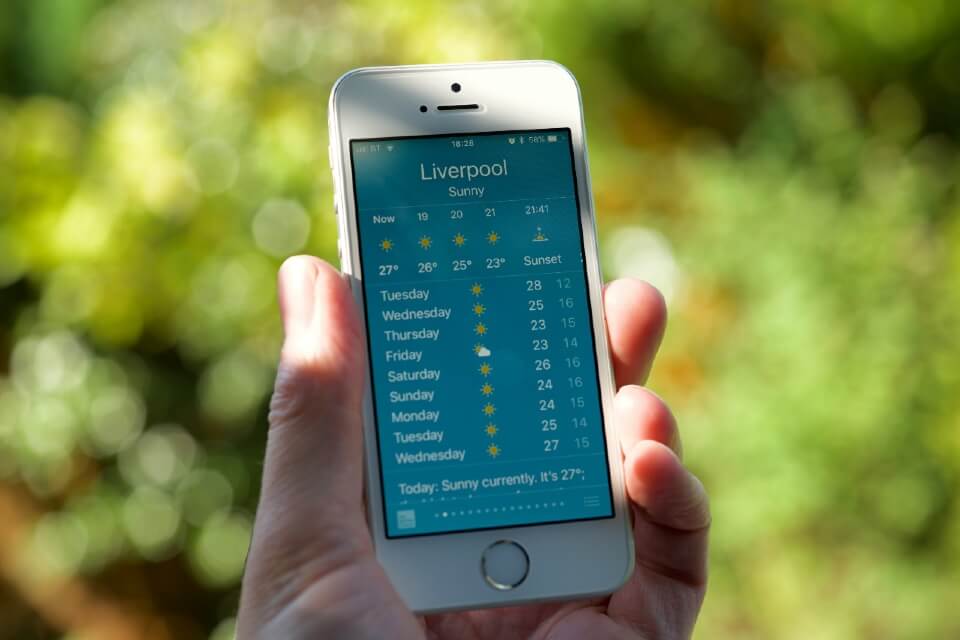
With the Met Office forecasting temperatures in many parts of the UK above 28°C for the foreseeable future and issuing extreme heat warnings, employment law specialists at Citation are advising employers to consider temporary adjustments to clothing policies, warning that rigid dress codes during periods of extreme heat could create wellbeing, equality and legal risks.
While UK law does not set a maximum workplace temperature, employers still have a duty under the Health and Safety at Work Act to protect staff from workplace hazards, including excessive heat. Acas guidance also recommends that organisations relax dress codes where appropriate to allow employees to wear cooler, more suitable clothing.
The issue extends beyond employee comfort. Citation says any temporary relaxation of dress code rules should be applied consistently across the workforce to avoid the risk of discrimination or unfair treatment. Policies that permit shorts for one group of employees but not another, or apply different standards based on gender or seniority, could create unnecessary equality concerns.
Gill McAteer, Director of Employment Law at Citation, said employers should not view dress code flexibility as setting a permanent precedent.
“When temperatures are pushing record levels, insisting on formal attire can be really uncomfortable for staff, and it may even put employers on the wrong side of their duty of care,” she said.
Citation is also encouraging organisations to consider employees who may be more vulnerable to extreme heat, including those who are pregnant, breastfeeding or have underlying health conditions.
Employers have legal obligations to carry out appropriate health and safety risk assessments and make reasonable adjustments where necessary.
Alongside temporary dress code changes, the company recommends reviewing wider workplace measures such as access to cold drinking water, additional breaks, improved ventilation, fans and flexible or hybrid working where practical.
As extreme weather becomes more frequent, Citation believes employers should treat heat management as part of their broader wellbeing and inclusion strategy, ensuring workplace policies remain practical, equitable and responsive to changing conditions while protecting both employees and the organisation.
To learn more about workplace wellbeing, check out Empower Up’s dedicated section here.

Register or log in to get started in your organisation
Image credit: https://unsplash.com/photos/person-holding-turned-on-silver-iphone-5s-displaying-liverpool-rObq1WBp_Ew